Service, Growth & Community Impact
For more than 165 years, the YMCA of the Triangle has been a place where individuals, families and communities come together to learn, grow and thrive.
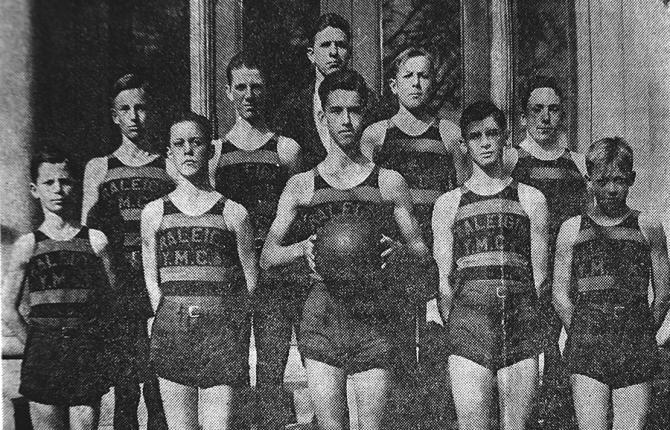
Our story began in 1857
when a small group of Raleigh leaders founded the Raleigh YMCA to support young people and strengthen community. Over time, our work expanded into health and wellness, overnight camping, youth leadership and sports — the foundation for the broad spectrum of family-focused, community-centered programs we offer today.
A Legacy of Growth and Partnership
Throughout the 20th century, as the needs of our region evolved, so did our identity. In 1989, the Raleigh YMCA became the Capital Area YMCA, and in 2002, we merged with the YMCA of Greater Durham to become what we are today — the YMCA of the Triangle. This merger strengthened our ability to serve more people, in more communities, with greater impact.
Our history is defined by innovation, rapid expansion and deep community partnership. Volunteers, donors and civic leaders have walked alongside us, helping the Y open new branches, launch new programs and respond to the changing needs of a growing region.
Learning From Our Past to Shape a Better Future
We also hold space for the more difficult parts of our history. In 1968, the Raleigh YMCA was the subject of a federal civil rights case, Nesmith v. YMCA, which revealed the exclusion of Black community members from key athletic facilities. We acknowledge this openly because our commitment to being for all is only meaningful when it is lived fully in practice. Recognizing our past strengthens our resolve to ensure belonging, equity, and inclusion remain central to everything we do.
Today, guided by our Mission and informed by our history, the YMCA of the Triangle is working intentionally alongside all communities to build a stronger, more connected region for everyone.
Key Milestones & Moments of Impact
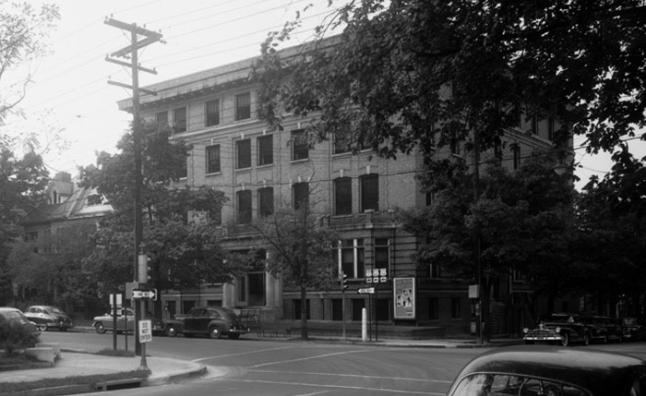
Early Foundations
1857 – Raleigh YMCA is formed
1888 – Durham YMCA begins
1907 – First YMCA facility opens in Durham
1911 – Raleigh YMCA facility opens on East Edenton Street*
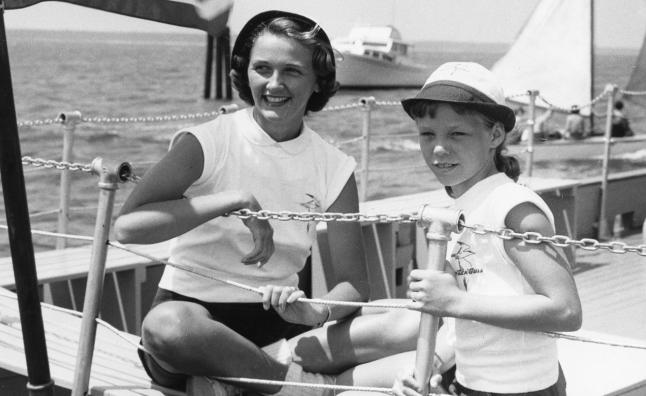
Overnight Camps: Generations of Growth
1948 – Camp Sea Gull opens (Arapahoe)
1954 – Camp Kanata opens (Wake Forest)
1961 – Camp Seafarer opens (Arapahoe)
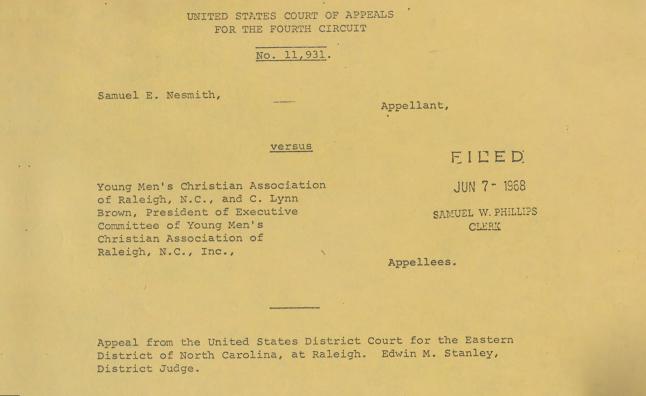
A Defining Moment
1968 – Nesmith v. YMCA challenges the exclusion of Black community members from facilities**
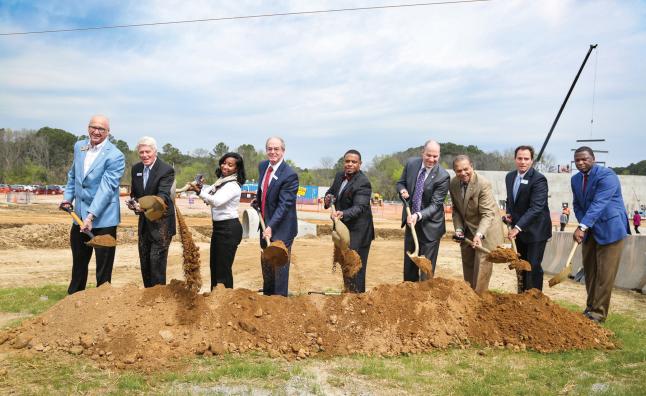
Regional Growth Through New Branches & Partnerships
1978 – Chapel Hill–Carrboro YMCA opens
1981 – Raleigh YMCA and historically African American Bloodworth Street YMCA partner to help form the future Garner Road YMCA
1989–2026 – Significant expansion with new branches and wellness centers across Wake, Durham, Johnston, Lee, Chatham and Orange counties, culminating in:
- 2019 - Southeast Raleigh YMCA opens as the anchor of the Beacon Site, a Purpose Built Community
- 2025 – Chatham Park YMCA opens
- 2026 – Alexander Jones Wright YMCA Youth Center opens
Mergers Strengthen Regional Impact
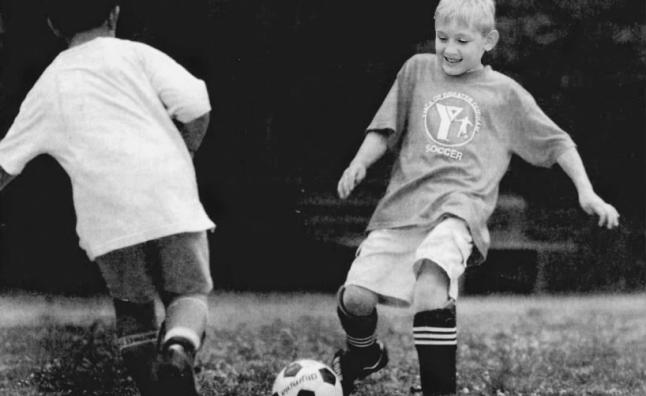
2002 – Capital Area YMCA and YMCA of Greater Durham merge***
2014 – Chapel Hill–Carrboro YMCA joins the YMCA of the Triangle
* State Archives of North Carolina photo, 1950
** Marsh, Leo B.. National Board Files. Topical Files: Court of Appeals: Nesmith vs. YMCA of Raleigh, N.C. and C. Lynn Brown, 1968. (Box 2, Folder 44). 1968. University of Minnesota Libraries, Kautz Family YMCA Archives
*** Unks, Walt. The Durham Herald-Sun, 02 May 2002, p. 1 photo
Looking Ahead
Our Vision for the Future
Today, the YMCA of the Triangle is one of the largest and most impactful YMCAs in the nation, shaping the future through our 2030 Strategic Plan. At every branch, camp, and program site, our focus is clear:
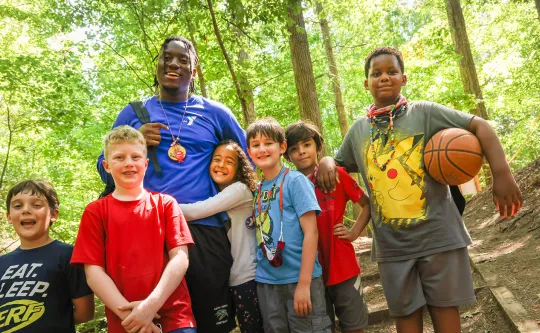
Youth Development
Building confidence, resilience, leadership, and connection for every child and teen.

Healthy Living
Improving physical, mental, and social well being for individuals and families through accessible wellness opportunities.
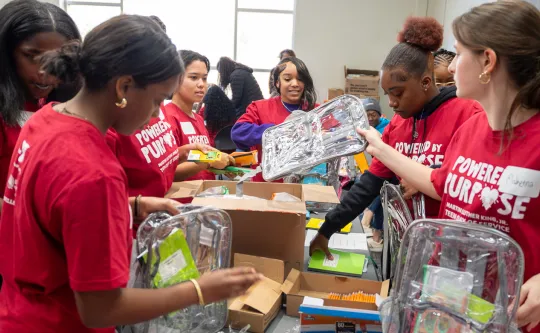
Social Responsibility
Bringing people together across differences, responding to community needs and ensuring that the Y truly lives up to its promise of being for all.
Our story continues to unfold — written not just by the Y, but with our community. The next chapter is about possibility, partnership and a renewed commitment to access, equity and belonging for generations to come.