Nourishment Without the Rules

October is Breast Cancer Awareness Month, a time to honor survivors, support those currently in treatment and raise awareness about the challenges that often accompany a cancer diagnosis. At the YMCA, we believe caring for the whole person means supporting not only physical activity and emotional well-being, but also practical strategies that can make everyday life a little easier.
With guidance from our partners at Nutrition HealthWorks, we're sharing an important reminder for anyone navigating cancer treatment: when eating feels difficult, nourishment matters more than perfection.
Let Go of the Food Rules
Cancer treatment can be physically and emotionally exhausting. Between chemotherapy, radiation and medications, food can shift from something enjoyable to something that feels like another challenge to manage.
Nausea, changes in taste, mouth soreness and a loss of appetite can make traditional healthy eating advice feel unrealistic. During these times, the goal isn't to follow a perfect diet. It's to find simple, manageable ways to stay nourished and comfortable.
Most importantly, give yourself grace. Every bite counts.
Three Tips for Common Treatment Side Effects
Nausea? Try Foods Served Cold
Hot foods often produce stronger aromas, which can trigger nausea.
Instead, consider:
- Chilled smoothies
- Plain crackers
- Cold grain salads
- Fresh fruit
Cooler foods tend to have milder smells and may be easier to tolerate.
Metallic Taste? Make Small Adjustments
Many cancer treatments can cause foods to taste metallic or different than usual.
To help:
- Use bamboo or plastic utensils instead of metal
- Add lemon juice or citrus zest to foods
- Flavor water with tart berries or citrus slices
These simple changes can help offset unwanted tastes and make eating more enjoyable.
Low Appetite? Think Small and Frequent
Large meals can feel overwhelming when appetite is low.
Instead, try eating small, nutrient-dense snacks every two to three hours, such as:
- Peanut butter toast
- Avocado slices
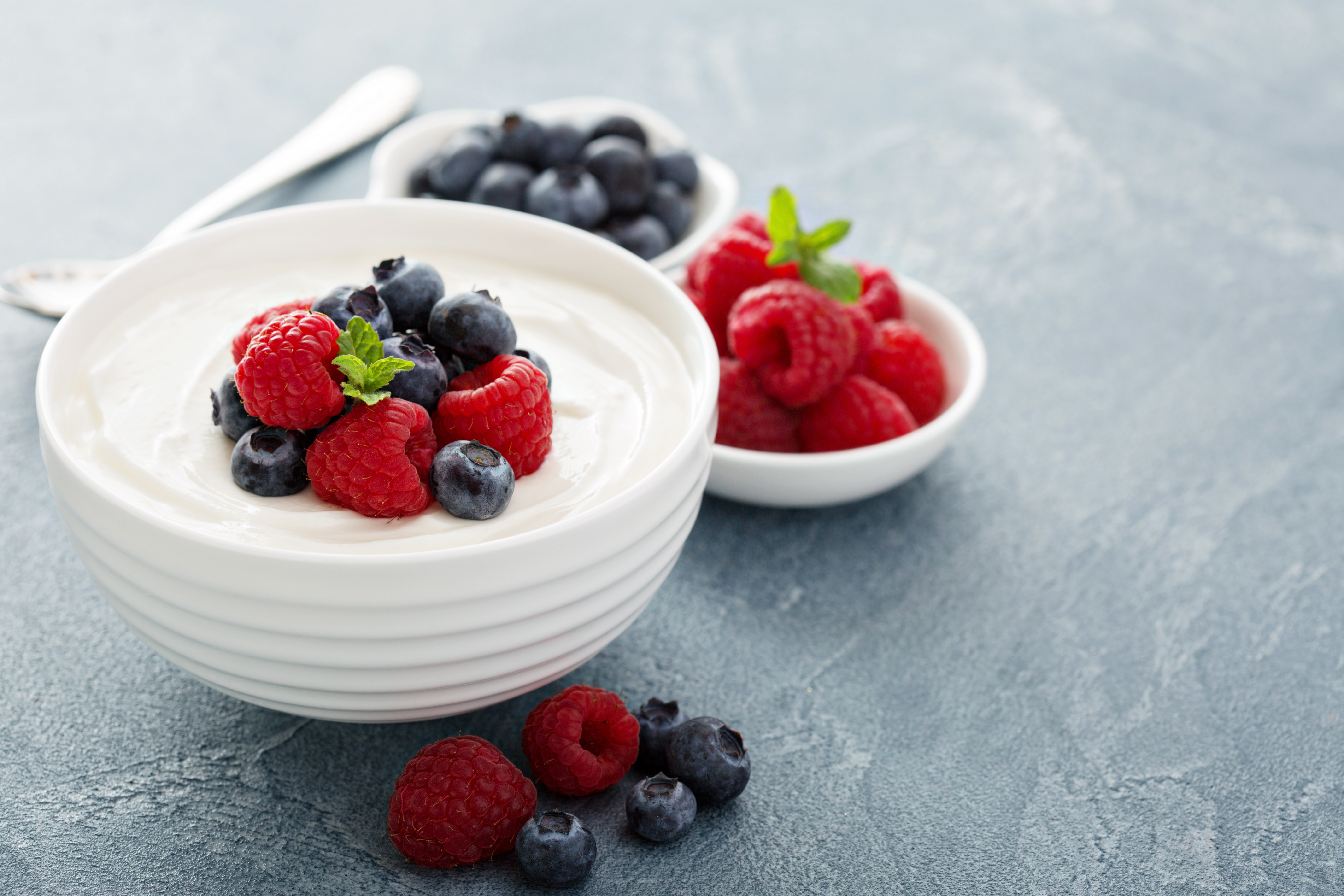
- Full-fat yogurt
- Cheese and crackers
- Trail mix
Small portions throughout the day can provide valuable energy and nutrients without the pressure of finishing a full meal.
Every Bite Counts
Whether you're undergoing treatment yourself or supporting a loved one, remember that nourishment during cancer is not about following strict rules. It's about meeting your body where it is, finding foods that feel manageable and celebrating small wins on difficult days.
This Breast Cancer Awareness Month, the YMCA and Nutrition HealthWorks encourage anyone affected by cancer to practice self-compassion, focus on comfort and remember that every step toward nourishment matters.